 CLIENT LOGIN
Planning a trip is super exciting. You get to think about packing and all the fun activities you’ll participate in. However, in the back of your mind, you remember your bearded dragon still needs his basking lamp at the perfect temperature!
Reptiles are incredible pets, but their specific care needs make vacation planning a little more involved, leaving pet owners to plan well in advance.
If you’re searching for a reptile pet sitter in Newark, DE, you already know that not just anyone can step in and care for your cold-blooded companion. Here’s everything you need to know before you go away on your trip, and what to look for in a sitter who can actually handle the job.
Why Reptile Care Is Different
Reptiles are cold-blooded animals. This means they rely entirely on their environment to control their body temperature. Unlike dogs or cats, they can’t compensate if something goes wrong with their setup. A dropped basking temperature, a broken UVB bulb, or a missed feeding window can quickly become a health emergency for them.
This is why finding an experienced reptile pet sitter matters more than most pet owners realize. Leaving them with just anyone isn’t really an option.
You need a professional caregiver with experience and someone who knows how to pivot in case something goes wrong.
Bearded Dragon Care
Bearded Dragons are one of the most popular reptiles for a reason: they’re personable, curious, and surprisingly routine-driven. That routine is exactly what needs to be maintained while you’re away.
A sitter caring for your bearded dragon should be comfortable with:
- Lighting schedules: Bearded Dragons need 12-14 hours of UVB light daily. This should be on a timer, but someone needs to make sure that it’s working.
- Temperature monitoring: Basking spots should sit around 100-110°F, with a cooler side around 80°F. A drop in temperature can cause lethargy and digestive issues.
- Feeding: Young beardies eat daily; adults typically every other day. Live feeders like crickets or dubia roaches need to be offered, and cannot just be left in the enclosure.
- Greens and veggies: Fresh salads should be offered daily and removed if uneaten to avoid bacterial growth.
Leave your sitter a written care sheet with exact temps, feeding amounts, and your vet’s contact information in case of any emergencies. Transportation equipment should also be left out.

Turtle and Tortoise Care
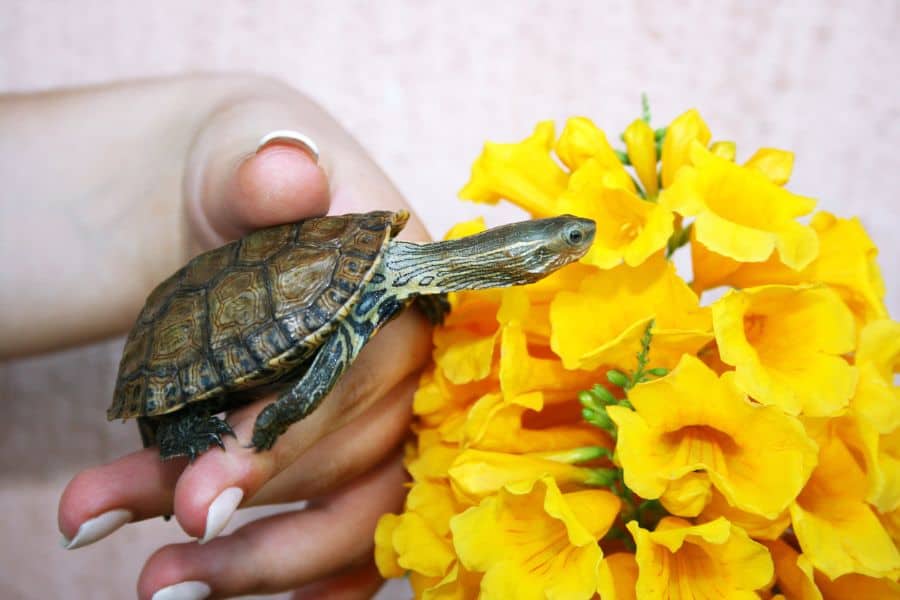
Turtles and tortoises are often underestimated in terms of the complexity of their care. They’re quite demanding when it comes to environment and diet.
For tortoises, your sitter has to maintain:
- Proper humidity levels (which vary by species. A sulcata needs dry, and a Russian tortoise needs moderate.)
- UVB lighting, a warm basking area.
- A diet of fresh leafy greens with the occasional soak, depending on the species.
For aquatic turtles, the checklist is more extensive: they need
- Water temperature and quality need to be monitored.
- Functioning filters.
- A proper feeding schedule must be followed.
- Basking area with UVB lighting.
Check all of your equipment before you leave. The last thing you want is a failing filter discovered while you’re in the middle of your vacation.
Lizard Care
Popular pet lizards like leopard geckos, blue-tongued skinks, and crested geckos each have their own care requirements. There are a few things that apply across the board, though. Most lizards need stable thermal ranges, appropriate UVB lighting, live or fresh food, and humidity monitoring for tropical species.
The key with lizards is species knowledge. A crested gecko care routine looks nothing like a blue-tongued skink’s. When looking for a reptile pet sitter in Newark, DE, make sure they either have experience with your specific species or are willing to be thoroughly briefed before you leave.
How to Prepare Your Reptile Pet Sitter for Success
Regardless of whether you are using a professional exotic pet sitter or a trusted friend, preparation is everything. Here’s a simple checklist of things to remember to do before you leave:
- Have a written care sheet: Include everything from required temperatures, feeding schedules, lighting hours, humidity levels, etc.
- Emergency vet information: Find a reptile-savvy vet in advance; not all vets treat exotics.
- Equipment walkthrough: Most sitters offer a meet-and-greet session before services begin. This is your chance to show your sitter how everything works in person.
- Extra supplies stocked: Have backup feeders, greens, supplements, and any extra supplies if needed
- Have a check-in schedule: When you meet with your sitter, agree on how often they’ll send updates about your pet while you’re gone!
Why Hire a Professional Exotic Pet Sitter in Newark, DE?
A professional reptile pet sitter is more reliable and better equipped to care for your reptilian friend. They’ve seen equipment failures, they know the signs of a stressed or sick reptile, and they won’t panic if your beardie goes into a shed cycle or your tortoise decides to burrow for three days.
At Content Critter, we provide in-home exotic and reptile pet sitting throughout Newark, Wilmington, and the surrounding areas in Delaware. This means your reptile gets to stay in their own environment, on their own schedule, without the stress of being moved to an unfamiliar place. That consistency matters more for reptiles than almost any other pet.
Ready to plan your trip without the worry? Contact Content Critter to learn more about our reptile and exotic pet sitting services in Newark, DE.

Dog Walkers & Pet Sitters in Newark, Hockessin, Greenville, Wilmington, Bear and New Castle, DE – Landenberg, Avondale and Kennett Square, PA and parts of Elkton, MD.


0 Comments