 CLIENT LOGIN

You’ve probably heard that cold weather is rough on achy joints, and that’s true for most pets. But if you’ve noticed your dog moving a little slower or your cat skipping their favourite sunny perch this summer, the heat might also be playing a role. Arthritis in pets is more common than most people realize, and summer can affect it in ways that catch pet parents off guard.
Whether you have a senior dog, a middle-aged cat, or even a rabbit or guinea pig, here’s what you need to know about recognizing joint disease, managing it through the warmer months, and keeping your furry (or scaly) family member comfortable.
What Is Arthritis in Pets, and Who Does It Affect?
Arthritis, more specifically osteoarthritis, or degenerative joint disease, is a condition in which the cartilage inside a joint gradually breaks down. As that cushioning wears away, bones begin to rub against each other, causing inflammation, pain, and reduced mobility. It’s a progressive condition, meaning it tends to worsen over time, and unfortunately, there is no cure. The condition is extremely common. Studies suggest that up to 80% of dogs over the age of eight show some signs of arthritis, and it’s increasingly recognized in cats, too. Feline arthritis often goes undetected because cats are masters at hiding discomfort. Even some exotic pets, like rabbits and guinea pigs, can develop joint problems as they age.
Arthritis can develop for a variety of reasons: aging, excess weight, past injuries, breed-specific joint issues (such as hip dysplasia in large dogs), or simply genetics. The good news is that with the right support, pets with arthritis can still live comfortable lives.
Signs and Symptoms of Arthritis in Pets
Because animals can’t tell us when they’re in pain, it’s important to recognize the behavioural and physical cues that indicate joint pain. The signs can vary by species, but common red flags across dogs, cats, and small animals include:
- Limping or stiffness, especially after resting or first thing in the morning
- Reluctance to jump, climb stairs, or get up from a lying position
- Decreased interest in play or walks they used to enjoy
- Changes in grooming: Cats, in particular, may stop grooming hard-to-reach areas due to joint pain
- Irritability or mood changes, including snapping when touched in certain areas
- Sleeping more than usual or restless shifting while resting
- Difficulty using the litter box in cats, often due to trouble stepping over the sides
One important thing to keep in mind: cats are especially good at masking pain, an instinct inherited from their wild ancestors. Many owners chalk up these signs to their cat “just getting older,” but subtle behavioral changes are worth bringing up at your next vet visit. If you notice them, schedule a veterinary checkup so the condition can be managed sooner. Early detection makes a big difference in how well the condition can be managed.
Does Summer Actually Affect Arthritis in Pets?
Yes, and it might not work the way you’d expect.
Most people associate joint pain with cold, damp weather, and that’s certainly a real factor. But summer heat brings its own set of challenges for arthritic pets.
Heat can increase inflammation
The warmer weather tends to amplify inflammation in already sensitive joints. As a result, pets may feel more sluggish and sore on warmer days. If your dog seems extra stiff or reluctant on particularly hot days, that’s likely why.
Dehydration affects joint cushioning
Your pet’s joints rely on fluids to stay lubricated so they can absorb impact. When pets don’t drink enough water during the warmer months, their body fluids decrease, leading to increased friction, discomfort, and stiffness.
Overexertion is a real risk
Summer tends to mean more outdoor activity. Longer walks, more playtime, and trips to the dog park. For a pet with arthritis, too much activity at once can spike inflammation and leave them in pain the next day. The enthusiasm is sweet, but the recovery can be hard.
Staying indoors in AC can backfire, too
Here’s an ironic one: while air conditioning keeps pets cool, staying sedentary in a cold, dry environment can cause joints to stiffen. Inactivity is one of the worst things for arthritic joints, regardless of the season.
Temperature regulation is harder
Arthritic pets, especially senior animals, may struggle to find a comfortable spot to cool down if their mobility is limited, putting them at higher risk for heat exhaustion.
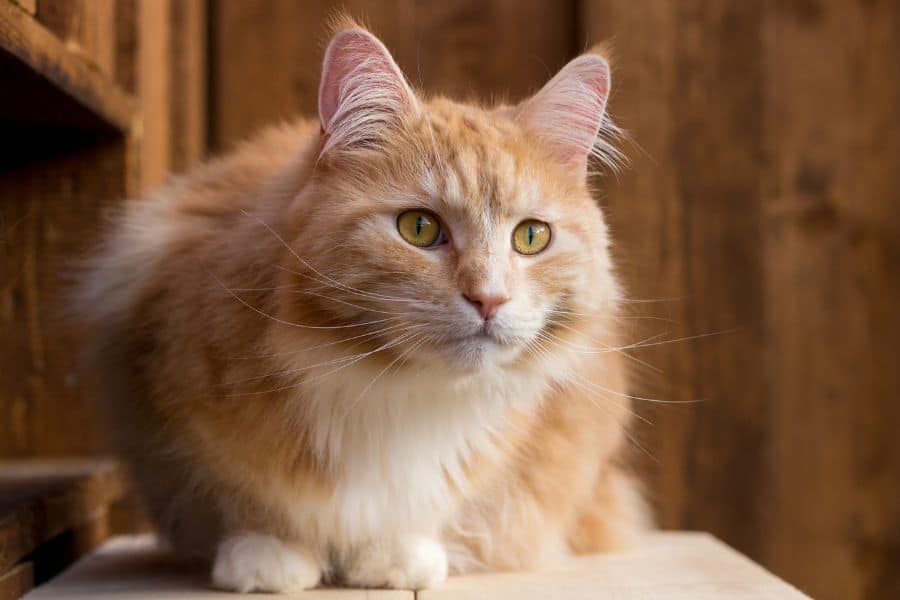
How to Help an Arthritic Pet Through the Summer
The goal during summer is to keep your pet moving gently while protecting them from the heat. Here’s how to strike that balance:
Time walks for cooler parts of the day
Early morning and late evening are much easier on arthritic joints. Both because temperatures are lower and because hot pavement can cause additional discomfort and even burns to paw pads. For midday walks, try to find shady areas to walk to keep your pet cooler.
Keep fresh water available at all times
Hydration directly supports joint health. Make it easy for your pet to access water without having to move far, especially if mobility is limited.
Provide supportive, cool bedding
Orthopedic or memory foam beds cushion sore joints and help with pressure points. Look for options with cooling gel layers or good airflow underneath. Raised beds can also help by allowing air to circulate.
Keep exercise short and consistent
Rather than one long walk or play session, aim for several short, gentle ones throughout the day. Consistent gentle movement actually helps keep joints more flexible and reduces stiffness. Stopping exercise altogether tends to make things worse.
Watch for hot pavement
If the asphalt is too hot for your hand, it’s too hot for your pet’s paws. Paw discomfort can alter how a pet moves and can put extra strain on already inflamed joints.
Talk to your vet about pain management options
There are several effective treatments available, including anti-inflammatory medications, joint supplements such as glucosamine and omega-3 fatty acids, weight management plans, and newer options like laser therapy and monthly injectables. Ask your vet which option best fits your pet. Never give your pet human pain relievers like ibuprofen or acetaminophen. These are toxic to animals.
Arthritis in Cats and Exotic Pets
While dogs tend to show more obvious signs of joint pain, cats and exotic pets deserve just as much attention. Feline arthritis is widely underdiagnosed. Studies suggest that the majority of cats over 10 years old have X-ray evidence of joint disease, yet it often goes unmanaged because the signs are so subtle.
For cats, making small modifications to your home can make a big difference. For example, lower-sided litter boxes, ramps or steps to reach favorite perches, raised food and water bowls, and soft orthopedic bedding can help your pet. These simple changes can dramatically improve a cat’s quality of life without requiring major intervention.
Exotic pets like rabbits, guinea pigs, and even some reptiles are also prone to joint disease. If you’ve noticed your small animal moving less, struggling to reach food or water, or showing behavioral changes, do not hesitate to have a conversation with an exotic animal vet.
When to See the Veterinarian
If you suspect arthritis in your pet or if you notice any of the signs mentioned above, the best first step is always a veterinary visit. Schedule that visit as soon as possible. A vet can confirm the diagnosis, assess the severity, rule out other causes of pain or stiffness, and build a management plan tailored to your pet’s age, weight, breed, and lifestyle.
Arthritis in pets can feel scary at first, but it is very manageable. With the right care, many arthritic pets continue to enjoy walks, playtime, cuddles, and a good quality of life well into their senior years. If you suspect arthritis in your pet, start with a veterinary visit and follow the care plan that fits their needs.
At Content Critter, we care about every pet in our community! From tail-wagging dogs and curious cats to the more unusual members of the family. If you have questions about caring for a pet with special health needs while they’re with us, ask us right away. We’re here to help every animal feel safe, comfortable, and loved.

Dog Walkers & Pet Sitters in Newark, Hockessin, Greenville, Wilmington, Bear and New Castle, DE – Landenberg, Avondale and Kennett Square, PA and parts of Elkton, MD.



0 Comments