 CLIENT LOGIN
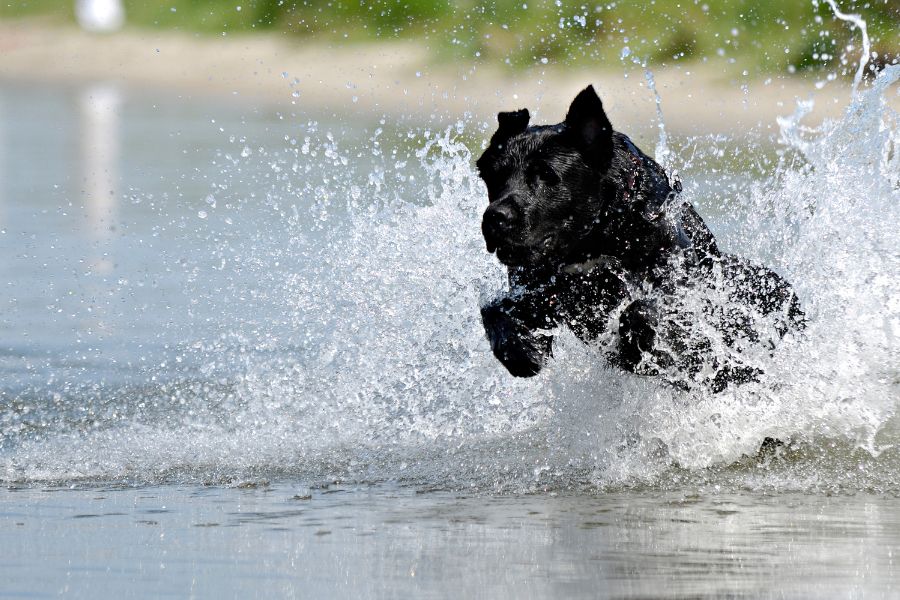
It’s hard to believe that summer 2026 is already almost over! We have seen some very hot summer days, some cooler days, and temperatures somewhere in between. We still have plenty of warm days ahead of us, though, and we have to keep in mind that our four-legged friends are more vulnerable to overheating than most pet parents realize.
As a local pet sitting and dog walking team, we see it every season: a dog who seemed “fine” ten minutes ago is suddenly in real trouble. The good news? Heatstroke in dogs is unfortunately a common, but very preventable condition. You just need to know what to watch out for.
This guide breaks down exactly how to spot heatstroke in dogs early, why some dogs are at higher risk than others, and what to do if you suspect your dog is overheating before it becomes a life-threatening emergency.
What Is Heatstroke in Dogs?
Heatstroke happens when a dog’s body temperature climbs above the normal range (around 101–102.5°F), and their cooling systems can’t keep up. Unlike humans, dogs don’t sweat through their skin — they rely almost entirely on panting and, to a lesser degree, sweating through their paw pads to regulate body heat. When the air is hot and humid, as it often is in Delaware from June through September, panting becomes far less effective. Heat builds up faster than it can escape, and body temperature spirals upward. Left untreated, heatstroke in dogs can cause organ damage, seizures, or death within a matter of minutes to hours.
Early Warning Signs of Heatstroke in Dogs
The key to prevention is catching the early signs of heatstroke before it becomes a catastrophe. Watch out for the following symptoms:
* Heavy, rapid panting that doesn’t slow down even after rest or shade
* Bright red or dark red gums and tongue
* Excessive drooling that is thicker than normal
* Lethargy or reluctance to keep walking
* Glazed eyes or a dazed expression
* Increased heart rate
* Loss of coordination or wobbly walking
If you notice any of these during a walk, treat it as a signal to stop immediately, and not as something to monitor and see if it passes.
Signs It’s Already an Emergency
If mild symptoms are ignored, heatstroke in dogs can progress quickly to a critical stage. Emergency-level signs include:
* Vomiting or diarrhea (sometimes with blood)
* Collapse or inability to stand
* Seizures
* Pale or blue-tinged gums
* Unconsciousness
If you see any of these signs, this is a true veterinary emergency. Move the dog to shade or air conditioning immediately, apply cool (not ice-cold) water to the belly, paws, and ears, and get to an emergency vet right away. Call ahead so they can prep for your arrival.
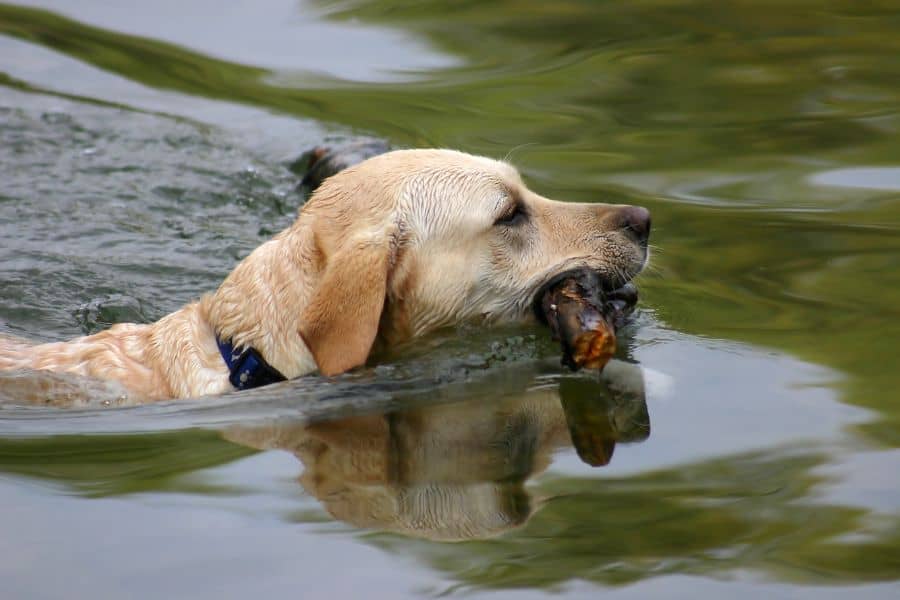
Which Dogs Are Most at Risk?
Every dog can overheat, but some are far more vulnerable:
* Flat-faced (brachycephalic) breeds like Bulldogs, Pugs, and Boston Terriers, who can’t pant as efficiently
* Senior dogs and puppies, whose temperature regulation is less efficient
* Overweight dogs, who retain heat more easily
* Dogs with thick or double coats, like Huskies and Golden Retrievers
* Dogs with heart or respiratory conditions
If your dog fits into one or more of these categories, it’s worth adjusting walk times and duration accordingly, especially during Newark’s peak summer months.
Preventing Heatstroke in Dogs During Delaware Summers
The best way to handle heatstroke in dogs is never to let it get close to that point in the first place. A few local-specific habits go a long way:
1. Walk early morning or evening. Midday heat in Newark regularly pushes the heat index well above what’s safe for extended outdoor activity.
2. Test the pavement. If it’s too hot for the back of your hand for five seconds, it’s too hot for paws.
3. Bring water on every walk. Offer breaks every 10–15 minutes on hot days.
4. Shorten walks on high-humidity days. Humidity above 70% makes panting far less effective, even if the temperature itself isn’t extreme.
5. Never leave a dog in a parked car. Even with windows cracked, interior temperatures can climb 20+ degrees within minutes.
6. Watch for humidity, not just temperature. An 85°F day with 80% humidity can be more dangerous than a 95°F dry day.
Depending on your dog breed, you may want to check out this blog to see how the summer weather affects your breed in particular.
Keeping Your Pet Safe For The Rest of The Summer
Recognizing heatstroke in dogs early is about paying attention to small changes. Panting that won’t quit, a dog who suddenly wants to lie down, and gums that look too red are quick signs you can watch out for. Catching those symptoms in the first few minutes is what separates a quick recovery from an emergency vet visit.
If you’re ever unsure whether your dog’s behavior is heat-related, it’s always safer to stop, cool them down, and call your vet than to wait and see.
If you’d like your walks scheduled around the safest times of day this summer, our team is happy to build a heat-smart routine for your dog. Contact us today to book your walks for the rest of the summer!

Dog Walkers & Pet Sitters in Newark, Hockessin, Greenville, Wilmington, Bear and New Castle, DE – Landenberg, Avondale and Kennett Square, PA and parts of Elkton, MD.


0 Comments