 CLIENT LOGIN

Paw care is an essential part of keeping your dog happy and healthy, yet it is so often overlooked. Most pet owners stay on top of the obvious aspects like feeding, exercise, and vet visits, but nail trimming can slip through the cracks. Ensuring your dogs’ nails stay healthy is an essential part of maintaining their overall health. Overgrown nails don’t just look messy, they can cause discomfort, pain, and even long-term mobility issues.
For dog owners in Delaware, New Jersey the need for regular nail trims is especially important. Seasonal weather here means dogs often spend less time outdoors in winter, so they don’t wear down their nails naturally on rough pavement. Whether you live in Wilmington, Newark, or along the Delaware beaches, keeping up with nail trimming can make a huge difference in your dog’s comfort and health.
Let’s dive into some essential nail care tips every Delaware pet owner should know.
Why Nail Trimming Matters for Paw Health
Just like your nails, your dog’s nails grow continuously. If nails are too long, they can press into the paw pads and cause pain with every step. Long nails can also snag on carpets or split, leading to injuries or even infections that may require veterinary care. In severe cases, overgrown nails can alter your dog’s gait(which is essentially their quality of movement), putting stress on joints and leading to long-term mobility issues.
A telltale sign your dog needs a trim is hearing nails click on hardwood floors, seeing them curl under, or noticing your pup limping. Regular nail trims prevent these issues and keep your dog’s paws in top shape.
How Often to Trim Your Dog’s Nails
Most dogs need nail trimming every 3–4 weeks, but this can vary based on lifestyle. Active dogs that walk daily on sidewalks in downtown Wilmington or Newark may naturally grind their nails down more than dogs who spend most of their time indoors or running on grass.
Delaware’s winters can reduce outdoor activity, which means dogs may need nail trims more frequently during colder months. Conversely, in summer, beach walks along Rehoboth or Bethany can help naturally wear down nails a bit.
Tools and Techniques for Safe Nail Trimming
Having the right tools makes all the difference. The main options include:
Scissor-style clippers: Great for medium to large dogs with strong nails.
Guillotine clippers: Best for smaller dogs with thinner nails.
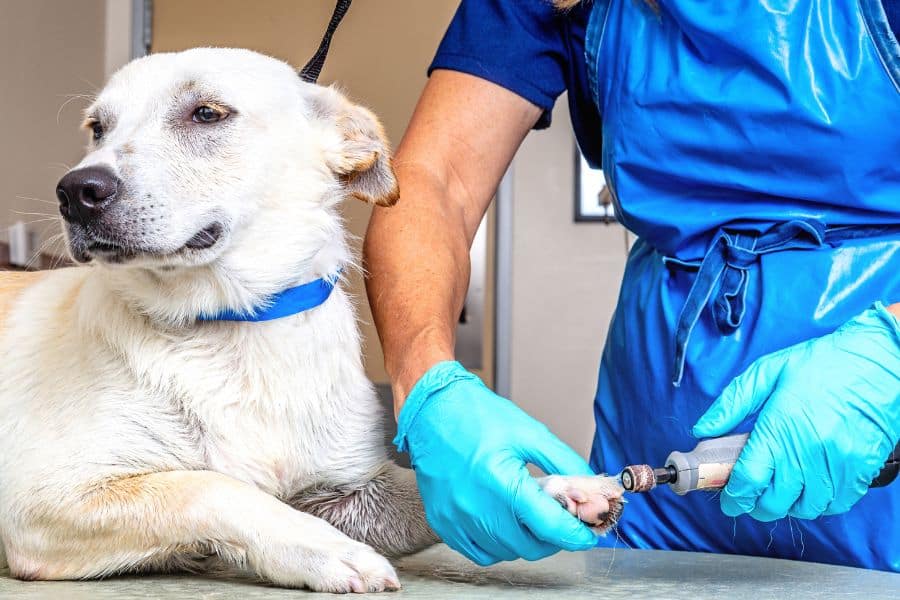
Nail grinders (Dremels): Helpful for smoothing rough edges and reducing the risk of cutting too short.
Always use sharp, clean tools to avoid crushing the nail. Hold your dog’s paw gently but firmly, and trim at a slight angle. The goal is to avoid cutting into the quick, the blood vessel inside the nail. For dogs with dark nails, trim small amounts at a time and look for a chalky white ring, which signals you’re getting close to the quick.
Making Nail Trimming Stress-Free
Not every dog is thrilled about nail trims, and many owners get anxious about the process, too. Here are ways to make things a little easier:
Start them young: Introduce puppies to nail trimming early so they get used to the sensation.
Always use positive reinforcement: Offer treats, praise, and patience during and after each session.
Take things slow: Trim one paw at a time if your dog is nervous.
Create a calm environment: A quiet room without distractions will make your dog feel safe.
If your dog is really having a hard time with it, try short sessions every few days instead of one long nail trimming session. Over time, nail trimming can become a routine part of your dog’s care rather than a stressful situation.
When to Seek Professional Help
If you’re nervous about trimming nails yourself, or if your dog has very dark nails, a professional groomer or veterinarian can help. They’re trained to handle squirmy dogs and know exactly how much to trim.
Luckily, Hockessin, Wilmington and Newark dog owners have plenty of local options. Here are a couple for your consideration:
Dog nail trimming isn’t just about looks. It is a key part of your pet’s health and comfort. Overgrown nails can cause pain, injury, and even affect posture, but with regular nail trims, you can help your dog stay active and happy.
Delaware’s changing seasons make it especially important to stay on top of this routine. In winter, when dogs spend more time inside, you may need to trim more often, while summer walks on pavement or sand can help a little with natural wear. And if you ever feel unsure, local groomers and vets across Wilmington, Newark, and beyond are there to lend a hand.
When you make nail trimming a consistent part of your dog’s care, you’re not just keeping paws tidy, you’re taking a vital step toward long-term health and happiness for your furry best friend.
Get in touch with us today for your daily dog walking needs! Contact us today by filling out our form, or give us a call at (302) 235-PETS

Dog Walkers & Pet Sitters in Newark, Hockessin, Greenville, Wilmington, Bear and New Castle, DE – Landenberg, Avondale and Kennett Square, PA and parts of Elkton, MD.
0 Comments