 CLIENT LOGIN
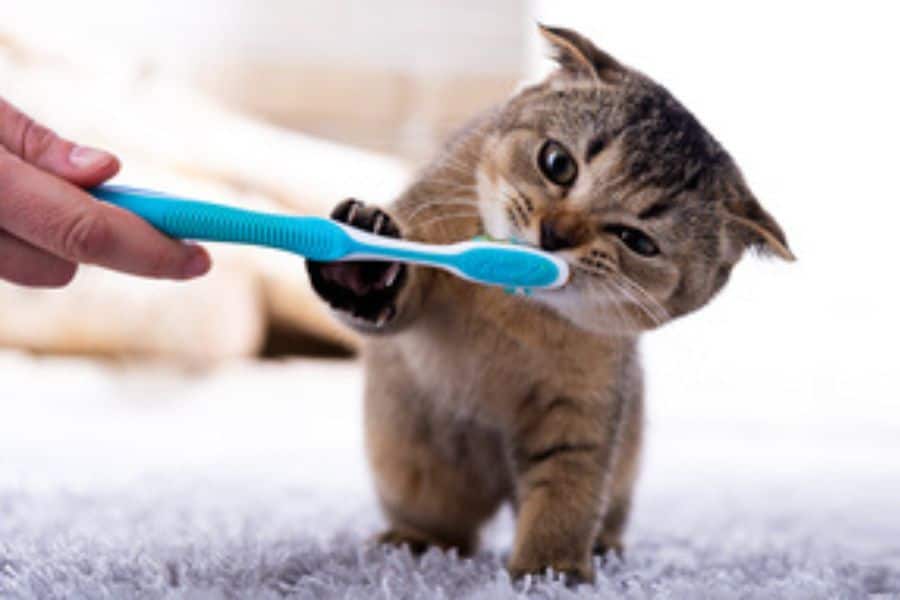
Taking care of our pets from head to tail is essential for their well-being and happiness. While it is easy to focus on their external needs, we often overlook the things they need from within. One of which is dental care.
Periodontal disease is one of the most common health issues in dogs and cats, and it affects nearly 80% of dogs over the age of three and 90% of cats over the age of four. This is a really severe condition that can lead to painful infections, tooth loss, and even secondary health problems affecting the heart, liver, and kidneys.
Thankfully, you can prevent periodontal disease with proper and consistent care! In this blog, we will discuss simple yet effective ways to maintain your dog’s dental health and prevent serious complications.
What Causes Periodontal Disease in Dogs?
Periodontal disease happens when bacteria in the mouth combine with food particles and form plaque on the teeth. If it’s not removed, the plaque hardens into tartar, which leads to gum inflammation (gingivitis) and eventually turns into advanced periodontal disease.
Here are some risk factors that make certain dogs more susceptible than others:
- Breed Predisposition: Small breeds, such as Chihuahuas, Yorkies, and Poodles, are more susceptible due to their crowded teeth.
- Poor Dental Hygiene: Lack of regular brushing and professional cleanings accelerates plaque buildup.
- Diet/Food: Dogs that consume primarily soft food may accumulate more plaque than those that eat dry kibble designed for dental health.
- Age: Older dogs are at higher risk due to prolonged plaque buildup.
Dental Care Tips to Prevent Periodontal Disease
Preventing periodontal disease in dogs requires consistent at-home care and professional dental checkups at your vet. Here’s how you can incorporate dental hygiene into your dog’s routine:
1. Brush Your Dog’s Teeth Regularly
Brushing is extremely important in preventing periodontal disease in dogs. Just like with us humans, regular brushing removes food particles and plaque before they have a chance to harden into tartar on the teeth.
A word of caution: Use a toothbrush and toothpaste specifically designed for dogs. Human toothpaste is toxic for dogs, and it can contain ingredients like xylitol or fluoride. Do your best to brush your dog’s teeth daily, like you do for yourself! If that’s not feasible, even a few times a week can make a big difference. Start slowly and make it a positive experience by offering praise or small treats afterward to help your dog get accustomed to the routine.
The younger you start your dental care routine with your pup, the better!
2. Provide Dental Chews and Toys
Dental chews and textured toys are a great supplement to brushing, especially for dogs who resist having their teeth cleaned. These products are designed to help reduce plaque and tartar as your dog chews on them because of their texture and durability.
Look for chews and toys that are labeled as being effective against plaque, or better yet, approved by the Veterinary Oral Health Council (VOHC).
Natural Chews like bully sticks, raw bones, and antlers can be effective but should be given under supervision to prevent choking hazards.
Chewing also provides mental stimulation and helps satisfy your dog’s natural urge to gnaw. Be sure to choose the right size and type for your dog’s breed and chewing style to prevent choking or dental injuries, especially if their teeth are in a vulnerable state.
3. Incorporate a Dental-Friendly Diet
What your dog eats every day can impact their oral health. Some dog foods and treats are specifically formulated to help reduce plaque and tartar buildup. These products are typically larger or more textured to encourage chewing, which helps clean the teeth naturally. Diets approved by the VOHC are a good choice, as they’ve been tested and are effective in promoting dental health. While they’re not a replacement for brushing, these foods can be an easy and consistent way to support your dog’s oral hygiene, alongside brushing.
As a treat, you can feed your dog raw carrots and apples. These foods provide a natural scrubbing effect while offering a healthy treat.
4. Keep Water Fresh and Monitor Dental Changes
Fresh, clean water helps rinse away food particles and bacteria after your dog eats. This is a small yet impactful way to support everyday oral hygiene. Ensure your dog always has access to clean water and wash their bowl daily to prevent bacterial buildup. You can also change their water halfway through the day as an extra precaution!
As a bonus, you can use a water additive that helps to reduce plaque buildup and freshen breath.
Schedule Regular Dental Cleanings
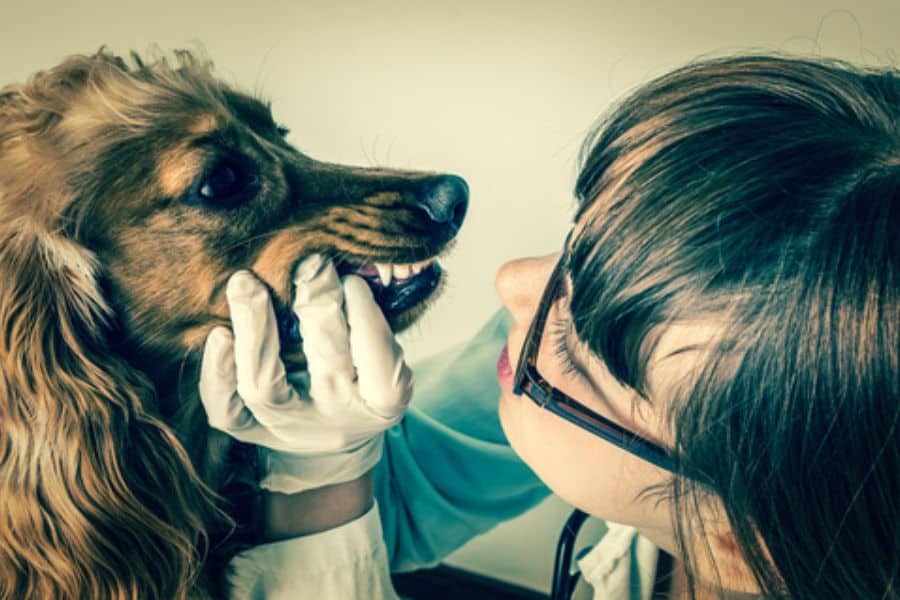
Even with good at-home care, professional cleanings are essential in preventing periodontal disease. Your veterinarian can catch things you might miss during a thorough dental exam. These procedures are typically performed under anesthesia to clean below the gumline, where bacteria and tartar often accumulate and can cause serious issues.
These cleanings also provide an opportunity for early detection of dental problems, such as loose teeth, infections, or gum inflammation. Depending on your dog’s age and dental condition, your vet might recommend annual or biannual cleanings. Catching issues early can save your dog from pain and you from expensive procedures down the road.
Here are signs that your dog may need a dental checkup:
- Persistent bad breath
- Red, swollen or bleeding gums
- Difficulty eating or chewing
- Loose or missing teeth
- Excessive drooling
Preventing periodontal disease in dogs is all about consistency and proactive care. Pay attention to your pup to figure out what works best for them. Daily brushing, providing dental-friendly chews, a balanced diet, and scheduling regular veterinary check-ups can help keep your dog’s teeth and gums healthy for years.
By taking these simple steps, you can prevent painful dental issues and improve your dog’s overall quality of life. Start implementing these dental care tips today to keep their teeth sparkling and shiny!

Dog Walkers & Pet Sitters in Newark, Hockessin, Greenville, Wilmington, Bear and New Castle, DE – Landenberg, Avondale and Kennett Square, PA and parts of Elkton, MD.
0 Comments